Soft Washing vs. Pressure Washing for Roofs: What’s Safest for Your Shingles?
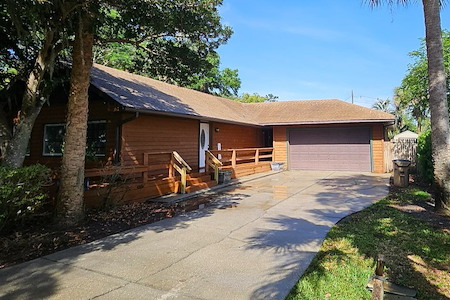
If you’re comparing methods for roof cleaning in Mount Dora, FL, you’ll see two common choices: high-pressure washing and soft washing. Here’s why homeowners count on soft wash roof cleaning to clear away black streaks and algae, keep shingles intact, and restore curb appeal without risking damage.
As a local homeowner, you face humid summers, frequent showers, and plenty of shade from trees. That mix feeds algae and mildew, which show up as dark streaks and patchy stains. The right cleaning method makes all the difference in how long your roof looks fresh and how well it’s protected.
What Soft Washing Really Is
Soft washing combines low-pressure water with specialized cleaning solutions that break down algae, mildew, and grime at the root. Instead of blasting the surface, it loosens stains and organic growth so they rinse away at a pressure closer to a garden hose.
This method is designed for delicate roofing materials like asphalt shingles, certain tiles, and many modern roof coatings. Because soft washing relies on chemistry rather than force, it delivers even results and helps reduce the chance of granule loss, lifted shingles, or water pushed under flashing.
Why High-Pressure Washing Risks Roof Damage
Traditional pressure washing uses force to remove grime. That works on durable surfaces like concrete, but it’s not a fit for most residential roofs. High pressure can strip protective granules, drive water under shingles, and even loosen fasteners.
- Granule loss that shortens shingle life and dulls color
- Water intrusion that can lead to leaks or attic moisture
- Lifted edges or cracked sealant around vents and flashing
- Uneven, streaky results once the roof dries
Never use high pressure on asphalt shingles because it can cause premature wear and potential leak paths. Soft washing solves the same problems by targeting the growth itself instead of scouring the surface.
The Science Behind Low-Pressure Roof Washing
Algae and mildew root into the shingle surface and feed on limestone fillers. Soft washing applies a controlled solution that breaks down this growth, then a gentle rinse clears residue without scouring the shingle face. Think of it like using stain remover before you wash clothes: the pretreat does the hard work, and the rinse finishes it.
That low-pressure rinse helps protect your roof’s protective layers. It also reduces the risk of forcing water up under overlaps or into nail holes, which is a common problem with high-pressure methods. The result is a cleaner roof and a finish that looks uniform from ridge to gutter.
How Long Results Can Last When You Choose Soft Washing
Because soft washing targets the source of the stains, results often last longer than a simple rinse. Most homes in Florida’s climate benefit from roof cleanings every one to two years, depending on shade, nearby trees, and how quickly black streaks return.
If your home sits under live oaks or you see morning dew linger, you may notice algae returning sooner. Scheduling routine maintenance keeps the roof looking fresh and helps you stay ahead of heavy buildup that’s tougher to remove.
Is Soft Washing Right For Every Roof Type
Soft washing is ideal for asphalt shingles and many tile roofs. Metal roofing may also benefit, but the exact approach depends on the paint system and any protective coatings. A trained technician will confirm the roof material, inspect sealants and flashing, and choose the right dilution and dwell time before any rinse begins.
If parts of your roof get heavy sun and other sections stay shaded, pros may adjust the mix and work in smaller zones so the cleaner doesn’t dry too fast. That attention to detail helps deliver even, spot-free results.
How Professional Roof Cleaning Protects Curb Appeal
Black streaks can make a newer roof look years older. After a proper soft wash, shingles regain their original tone, and the entire home looks brighter. It’s one of the fastest ways to improve curb appeal before listing a property or welcoming guests for the season.
Many homeowners in our area pair a roof cleaning with house washing for siding and trim. A coordinated cleaning keeps the whole exterior consistent, so the roof doesn’t look freshly washed while the siding still shows mildew near the soffits.
What To Expect From A Trained Pressure Washing Team
Quality roof cleaning follows a careful process: visual inspection, vegetation protection, solution application, and a measured, low-pressure rinse. The team should also shield sensitive areas like pool screens, landscape beds, and electrical fixtures.
- Pre-rinse plants and cover delicate landscaping
- Apply a measured cleaning mix and allow proper dwell time
- Rinse at low pressure from top to bottom for even results
- Final walkthrough to confirm uniform color and clean gutters
If you’ve never hired a pro before, start by checking reviews, confirming experience with shingle roofs, and verifying insurance. It also helps to choose a local company that understands Florida humidity and how quickly algae can return in shaded neighborhoods.
Soft Washing vs. Pressure Washing: A Clear Comparison
Both methods have a place in exterior cleaning, but they’re used for different surfaces. Concrete and some masonry respond well to higher pressure. Roofs, especially asphalt shingles, call for low pressure and the right chemistry.
When you want safe roof algae removal and longer-lasting results, soft washing is the clear choice. It treats the root cause instead of pushing water under the surface or stripping protective layers.
Local Factors That Influence Your Roof Cleaning Schedule
Homes surrounded by lakes and tree-lined streets tend to see faster algae growth because of morning shade and lingering moisture. Afternoon thunderstorms followed by humid evenings also create a perfect environment for streaks to reappear.
If your gutters overflow during heavy rain, they can splash organic material back onto the lower roof edge. Keeping gutters clear supports a cleaner roof surface and helps the soft wash last longer. You’ll notice the biggest difference on the north and east slopes that see less direct sun.
Safety and Warranty-Friendly Practices
Avoid walking on steep or slick roof surfaces and let trained technicians handle the work with proper safety gear. Pros use controlled access, secure footing, and careful ladder placement to protect both your home and the crew.
Because soft washing relies on measured chemistry, it’s aligned with manufacturer-friendly practices for shingle care. Using excessive pressure can risk surface damage and potential warranty concerns, which is why experienced teams choose low pressure for roofs and reserve higher pressure for tougher ground surfaces.
Choosing the Right Local Partner
Your home deserves a team that treats it like their own. Look for clear communication, photos of past roof projects, and a written process that explains solution strengths and rinse pressure. Ask how they’ll protect your plants, pool area, and painted trim during the clean.
You can also work with a trusted pressure washing company that offers both residential and commercial exterior cleaning. One provider for the whole exterior makes scheduling easier and helps keep results consistent from the roofline to the driveway.
When To Book Your Roof Cleaning
Early spring and late fall are popular because temperatures are milder and pollen isn’t as heavy. That timing also helps you prepare for the rainy season and reduces the chance of rapid algae regrowth right after the service.
Schedule roof cleaning before peak storm patterns to help the treatment last longer. If trees hang over your home, consider a light touch-up between full cleanings to keep stains from settling in again.
The Bottom Line: Soft Washing Protects Your Roof
Soft washing is built for shingles. It clears stains at the source, uses low pressure to protect surfaces, and leaves a uniform finish that boosts curb appeal. If you want a clean roof without the risks of blasting water at high force, this method delivers.
For details on process and scheduling, see our page on professional roof cleaning to understand how a careful, low-pressure approach keeps your home looking its best.
Ready to make those black streaks disappear the safe way? Call Advanced Pressure Cleaning at 352-636-6193 to schedule your soft wash roof cleaning today.
Start Your Pressure Washing Project Today. Contact Our Local Experts Serving Mount Dora, Eustis, Tavares & Surrounding Areas!